Department of Respiratory Medicine (Pulmonology)

Advanced Respiratory & Lung Care

Lungs • Airways • Breathing • Sleep Medicine

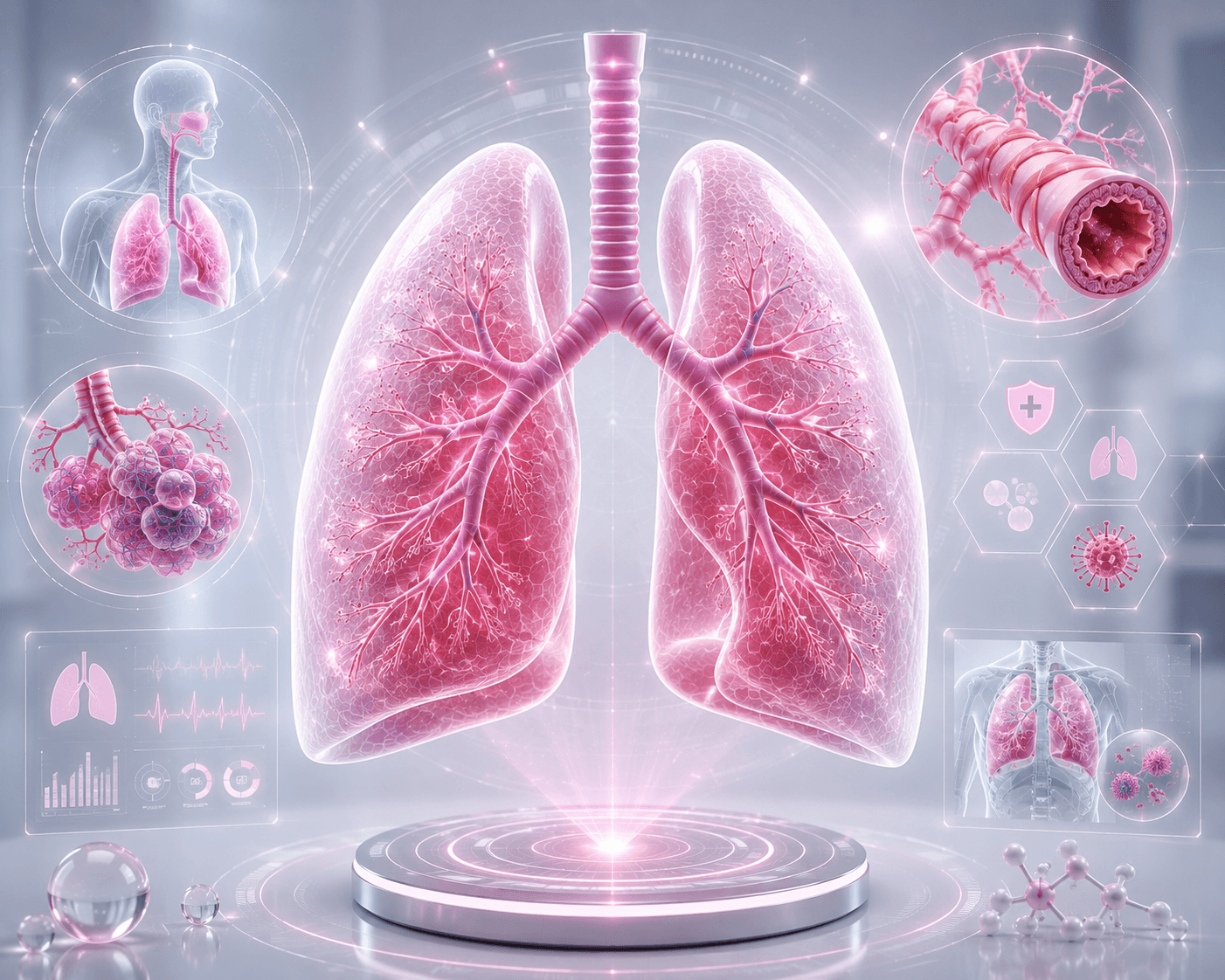
The Department of Respiratory Medicine at Pink Star Hospital provides comprehensive diagnosis, treatment and long-term management of diseases affecting the lungs, airways and respiratory system. Our experienced pulmonologists combine advanced diagnostic technology, evidence-based medicine and personalized care to help patients breathe better and live healthier lives.

Whether you are experiencing chronic cough, asthma, COPD, pneumonia, tuberculosis, sleep-related breathing disorders or complex lung diseases, our specialists develop individualized treatment plans focused on improving lung function, reducing symptoms and preventing disease progression.

Using advanced pulmonary diagnostics, bronchoscopy, pulmonary function testing, sleep evaluation and modern respiratory therapies, we provide comprehensive care for both acute and chronic respiratory illnesses while emphasizing early diagnosis, preventive care and long-term disease management.

Experienced Pulmonologists
Pulmonary Function Testing
Advanced Bronchoscopy
Sleep Disorder Evaluation

8,000+

Respiratory Procedures

2,000+

Bronchoscopy Procedures

99%

Patient Satisfaction

Advanced Respiratory Medicine Department at Pink Star Hospital

24/7 Emergency Care

24×7 Respiratory Emergency Care

+91-8290902526

Verified Quality

Evidence-Based Care

Advanced clinical protocols with expert specialists.

Comprehensive Respiratory & Lung Care

Advanced Diagnosis, Treatment and Long-Term Management of Lung, Airway and Respiratory Diseases

Care Overview

The Department of Respiratory Medicine at Pink Star Hospital provides comprehensive medical care for diseases affecting the lungs, airways and respiratory system. Our experienced pulmonologists combine evidence-based medicine, advanced diagnostic technology and personalized treatment plans to diagnose and manage both acute and chronic respiratory disorders. Whether a patient is experiencing asthma, chronic cough, chronic obstructive pulmonary disease (COPD), pneumonia, tuberculosis or complex interstitial lung diseases, our primary objective is to improve breathing, preserve lung function and enhance overall quality of life.

Key Clinical Focus

The respiratory system is responsible for delivering oxygen to every organ in the body while removing carbon dioxide. Even mild respiratory disorders can interfere with normal daily activities, reduce exercise capacity, disturb sleep and significantly affect long-term health. Early diagnosis allows physicians to identify underlying lung diseases before permanent damage occurs, improving treatment success while reducing the risk of serious complications.

Key Clinical Focus

Our department manages a broad spectrum of respiratory disorders including asthma, COPD, chronic bronchitis, emphysema, pneumonia, tuberculosis, bronchiectasis, pulmonary fibrosis, interstitial lung disease (ILD), pleural diseases, sleep-related breathing disorders and various occupational as well as environmental lung conditions. Every patient receives a personalized treatment plan tailored to their symptoms, disease severity, lifestyle and overall medical condition.

Key Clinical Focus

Modern respiratory medicine has advanced considerably through sophisticated diagnostic technologies such as Pulmonary Function Testing (PFT), bronchoscopy, high-resolution CT imaging, sleep studies and arterial blood gas analysis. These investigations enable our pulmonologists to accurately diagnose respiratory diseases, monitor treatment response and develop individualized management strategies while minimizing unnecessary interventions.

Key Clinical Focus

Asthma and COPD remain among the most common chronic respiratory illnesses worldwide. These diseases require long-term monitoring, inhaler optimization, lifestyle modification and preventive care to reduce flare-ups and preserve lung function. Our specialists educate patients about proper inhaler techniques, smoking cessation, vaccination and pulmonary rehabilitation to improve disease control and overall respiratory health.

Key Clinical Focus

Respiratory infections such as pneumonia and tuberculosis require early diagnosis and evidence-based treatment to prevent serious complications. Our department provides comprehensive evaluation, microbiological investigations, imaging studies and individualized treatment protocols while closely monitoring patient recovery. Prompt intervention significantly improves clinical outcomes and reduces the risk of permanent lung damage.

Key Clinical Focus

Patients with chronic respiratory symptoms including persistent cough, breathlessness, wheezing, chest tightness or coughing up blood require detailed evaluation to identify underlying causes. Conditions such as pulmonary fibrosis, bronchiectasis, pleural effusion and lung nodules often require multidisciplinary management involving pulmonologists, radiologists, intensivists, thoracic surgeons and rehabilitation specialists to ensure comprehensive care.

Key Clinical Focus

At Pink Star Hospital, patient safety, compassionate care and clinical excellence remain at the center of our Respiratory Medicine Department. Our pulmonologists work closely with Critical Care, Cardiology, General Medicine, Radiology, Oncology and Infectious Disease specialists whenever multidisciplinary treatment is required. Through advanced diagnostics, modern respiratory therapies, preventive healthcare and long-term follow-up, we help patients achieve healthier lungs, improved breathing and a better quality of life.

Department Highlights

Advanced infrastructure, specialized clinics & clinical excellence

Experienced Pulmonologists

Pulmonary Function Testing (PFT)

Advanced Bronchoscopy

Sleep Disorder Evaluation

Asthma & COPD Clinic

Tuberculosis Management

Pulmonary Rehabilitation

Critical Respiratory Care

Advanced Diagnostic Facilities

24×7 Respiratory Emergency Care

Patient Benefits

Key outcomes and reasons to choose PinkStar Hospital

Early diagnosis of lung diseases

Personalized treatment plans

Improved breathing capacity

Better asthma and COPD control

Reduced risk of respiratory complications

Comprehensive sleep disorder evaluation

Smoking cessation support

Long-term respiratory health monitoring

Respiratory Conditions We Treat

Comprehensive diagnosis and treatment for lung, airway and respiratory diseases.

Asthma

Asthma is a chronic inflammatory airway disease that causes recurrent episodes of wheezing, breathlessness, chest tightness and coughing. Proper long-term management significantly improves quality of life.

Severity

Moderate

Recovery

Long-term Management

Treatment

Available

Common Symptoms

WheezingShortness of breathChest tightnessNight-time coughDifficulty exercising

Chronic Obstructive Pulmonary Disease (COPD)

COPD is a progressive lung disease that limits airflow and causes persistent breathing difficulty. Early treatment slows disease progression and improves daily functioning.

Severity

High

Recovery

Long-term Management

Treatment

Available

Common Symptoms

Persistent coughShortness of breathExcess mucusWheezingFatigue

Chronic Bronchitis

Chronic bronchitis is a long-term inflammation of the bronchial tubes characterized by persistent productive cough lasting several months.

Severity

Moderate

Recovery

Long-term Management

Treatment

Available

Common Symptoms

Persistent coughExcess sputumShortness of breathChest discomfort

Emphysema

Emphysema damages the air sacs of the lungs, reducing oxygen exchange and causing progressive breathlessness.

Severity

High

Recovery

Long-term Management

Treatment

Available

Common Symptoms

Severe breathlessnessPersistent coughReduced exercise capacityWeight loss

Allergic Asthma

Allergic asthma is triggered by allergens such as pollen, dust mites and pet dander, causing airway inflammation and breathing difficulty.

Severity

Moderate

Recovery

Long-term Management

Treatment

Available

Common Symptoms

SneezingWheezingBreathlessnessChest tightnessSeasonal symptoms

Pneumonia

Emergency

Pneumonia is a lung infection that causes inflammation of the air sacs, leading to cough, fever, breathing difficulty and chest pain. Early diagnosis and prompt treatment help prevent serious complications.

Severity

High

Recovery

2–6 Weeks

Treatment

Available

Common Symptoms

FeverProductive coughChest painShortness of breathFatigue

Tuberculosis (TB)

Tuberculosis is a contagious bacterial infection that primarily affects the lungs. Early diagnosis and complete treatment are essential to prevent transmission and long-term lung damage.

Severity

High

Recovery

6–9 Months

Treatment

Available

Common Symptoms

Persistent coughBlood in sputumWeight lossNight sweatsFever

Bronchiectasis

Bronchiectasis is a chronic condition in which damaged airways become widened, causing recurrent chest infections, excessive mucus production and chronic cough.

Severity

Moderate

Recovery

Long-term Management

Treatment

Available

Common Symptoms

Chronic coughLarge amount of sputumBreathlessnessRepeated lung infections

Lung Abscess

Emergency

A lung abscess is a pus-filled cavity within the lung caused by severe infection. Timely treatment prevents serious respiratory complications.

Severity

High

Recovery

4–8 Weeks

Treatment

Available

Common Symptoms

Persistent feverProductive coughFoul-smelling sputumChest painWeight loss

COVID-19 Related Lung Disease (Patient Education)

Some individuals develop persistent breathing problems or reduced lung function after COVID-19 infection. Pulmonary rehabilitation and specialist follow-up may improve recovery.

Severity

Moderate

Recovery

Varies

Treatment

Available

Common Symptoms

Persistent breathlessnessChronic coughFatigueReduced exercise tolerance

Pulmonary Fibrosis

Pulmonary fibrosis is a chronic lung disease in which scar tissue develops within the lungs, making breathing progressively more difficult and reducing oxygen exchange.

Severity

High

Recovery

Long-term Management

Treatment

Available

Common Symptoms

Progressive breathlessnessDry persistent coughFatigueReduced exercise tolerance

Interstitial Lung Disease (ILD)

Interstitial lung disease includes a group of disorders that cause inflammation and scarring of lung tissue, resulting in progressive breathing difficulty.

Severity

High

Recovery

Long-term Management

Treatment

Available

Common Symptoms

Shortness of breathDry coughFatigueReduced stamina

Pleural Effusion

Emergency

Pleural effusion is the accumulation of excess fluid around the lungs, leading to breathing difficulty and chest discomfort that often requires prompt medical evaluation.

Severity

High

Recovery

Depends on Cause

Treatment

Available

Common Symptoms

BreathlessnessChest painDry coughDifficulty taking deep breaths

Pneumothorax (Collapsed Lung)

Emergency

Pneumothorax occurs when air enters the space around the lungs, causing partial or complete lung collapse and requiring urgent medical attention.

Severity

High

Recovery

2–6 Weeks

Treatment

Available

Common Symptoms

Sudden chest painSevere breathlessnessRapid breathingChest tightness

Pulmonary Hypertension

Pulmonary hypertension is increased blood pressure within the lung arteries that places extra strain on the heart and lungs.

Severity

High

Recovery

Long-term Management

Treatment

Available

Common Symptoms

BreathlessnessChest painFatigueLeg swelling

Obstructive Sleep Apnea

Obstructive sleep apnea causes repeated pauses in breathing during sleep, leading to poor sleep quality and increased cardiovascular risk.

Severity

Moderate

Recovery

Long-term Management

Treatment

Available

Common Symptoms

Loud snoringDaytime sleepinessMorning headachesInterrupted breathing

Chronic Snoring

Persistent snoring may indicate airway narrowing or sleep-disordered breathing and should be medically evaluated when associated with poor sleep or daytime fatigue.

Severity

Low

Recovery

Depends on Cause

Treatment

Available

Common Symptoms

Loud snoringPoor sleepMorning fatigue

Chronic Cough

A cough lasting longer than eight weeks may indicate an underlying respiratory disorder such as asthma, COPD, reflux disease or chronic infection.

Severity

Moderate

Recovery

Depends on Cause

Treatment

Available

Common Symptoms

Persistent coughThroat irritationChest discomfortSleep disturbance

Hemoptysis (Blood in Cough)

Emergency

Coughing up blood may result from infections, tuberculosis, bronchiectasis or other serious lung diseases and requires immediate medical evaluation.

Severity

High

Recovery

Depends on Cause

Treatment

Available

Common Symptoms

Blood in sputumPersistent coughChest painBreathlessness

Lung Cancer (Patient Education)

Lung cancer often develops silently during its early stages. Persistent cough, unexplained weight loss or coughing up blood should never be ignored and require prompt medical evaluation.

Severity

High

Recovery

Depends on Stage

Treatment

Available

Common Symptoms

Persistent coughBlood in sputumChest painWeight lossBreathlessness

Advanced Respiratory & Pulmonary Evaluation

Comprehensive Diagnostic Services for Lungs, Airway, Pleural, and Sleep Disorders

Diagnosis Process

1

Comprehensive Pulmonary Consultation

Our highly specialized pulmonologists deeply evaluate your breathing symptoms, chronic cough patterns, complete medical and occupational history, smoking habits, environmental exposures, and specific respiratory complaints before recommending a targeted, symptom-specific diagnostic pathway.

2

Detailed Respiratory Physical Examination

A rigorous, hands-on clinical assessment is conducted utilizing advanced auscultation with a stethoscope to detect abnormal lung sounds like wheezing, crackles, or diminished breath sounds. We also evaluate chest expansion, respiratory rate, and signs of chronic oxygen deprivation like clubbing or cyanosis.

3

Computerized Pulmonary Function Testing (PFT) & Spirometry

A non-invasive, highly advanced functional test where the patient breathes into a specialized machine (spirometer). It precisely measures lung volume, capacity, rates of flow, and gas exchange to definitively diagnose obstructive diseases (like Asthma/COPD) versus restrictive lung diseases.

4

High-Resolution CT (HRCT) of the Chest

High-resolution, non-contrast or contrast-enhanced CT imaging provides incredibly detailed, slice-by-slice 3D visualization of the lung parenchyma, airways, and mediastinum. It is the absolute gold standard for diagnosing interstitial lung disease (ILD), pulmonary fibrosis, emphysema, and lung nodules.

5

Diagnostic Flexible Bronchoscopy

An advanced, minimally invasive endoscopic procedure where a highly flexible, illuminated tube with a camera is passed through the nose or mouth into the lungs. It allows the pulmonologist to visually examine the main airways, clear mucus plugs, and take pinpoint biopsies or fluid samples (BAL) for cancer and infection testing.

6

Polysomnography (Comprehensive Sleep Study)

An overnight, computerized diagnostic test that continuously monitors brain waves, blood oxygen levels, heart rate, and breathing patterns during sleep. It is the definitive diagnostic tool for Obstructive Sleep Apnea (OSA), central sleep apnea, and other severe sleep-related breathing disorders.

7

Arterial Blood Gas (ABG) & Pulse Oximetry Profiling

A crucial blood test drawn directly from an artery to measure the exact levels of oxygen, carbon dioxide, and blood pH. This provides an immediate, highly accurate snapshot of how well the lungs are able to move oxygen into the blood and remove carbon dioxide.

8

Advanced Allergy Testing & FeNO Measurement

Comprehensive skin prick testing or specific IgE blood panels combined with Fractional Exhaled Nitric Oxide (FeNO) testing. FeNO accurately measures airway inflammation levels to definitively diagnose allergic asthma and predict the patient's response to inhaled corticosteroid therapy.

9

Diagnostic Thoracentesis & Pleural Ultrasound

For patients presenting with unexplained fluid around the lungs (pleural effusion), a bedside ultrasound is used to safely guide a needle to extract the fluid. The fluid is then comprehensively analyzed to diagnose infections, tuberculosis, or malignant lung cancers.

10

Chronic Lung Disease & Pulmonary Rehabilitation Planning

Patients diagnosed with lifelong, progressive conditions such as severe COPD, Cystic Fibrosis, or Pulmonary Hypertension undergo comprehensive multi-disciplinary health mapping, exercise tolerance testing (6-Minute Walk Test), and customized pulmonary rehabilitation planning.

Advanced Pulmonary & Interventional Investigations

Modern respiratory diagnostics utilize highly advanced imaging and functional tools to evaluate the lungs and airways with extreme precision, avoiding unnecessary open chest surgeries.

Digital Chest Radiography (PA & Lateral X-Rays)
High-Resolution CT (HRCT) Chest
Comprehensive Pulmonary Function Test (PFT)
Diagnostic Flexible Video Bronchoscopy
Endobronchial Ultrasound (EBUS) for Lymph Nodes
Overnight Polysomnography (Sleep Study)
Fractional Exhaled Nitric Oxide (FeNO) Test
Cardiopulmonary Exercise Testing (CPET)
VQ Scan (Ventilation-Perfusion Scan) for Clots
Diagnostic Thoracic Ultrasound

Laboratory & Microbiological Support

Rigorous laboratory and microbiological investigations heavily support respiratory diagnosis, ensure strict infection control for TB or pneumonia, and guide highly specific antibiotic therapies.

Arterial Blood Gas (ABG) Analysis
Sputum Routine, Microscopy, and AFB (TB Screening)
Sputum Culture & Advanced Antibiotic Sensitivity
GeneXpert MTB/RIF Assay (Rapid TB Detection)
Pleural Fluid Analysis (Protein, LDH, Sugar, Cytology)
Alpha-1 Antitrypsin Deficiency Blood Screening
Comprehensive Viral Respiratory Panel (PCR)
D-Dimer Testing (Screening for Pulmonary Embolism)

Who Should Consult a Pulmonologist?

Persistent respiratory symptoms, chronic coughs, or breathing difficulties should never be ignored. Early consultation improves diagnostic accuracy, relieves severe shortness of breath, and prevents irreversible lung scarring.

Persistent, lingering cough lasting longer than 3 weeksCoughing up blood or blood-stained mucus (Hemoptysis)Unexplained shortness of breath (Dyspnea) during rest or exerciseChronic wheezing, whistling sounds, or severe chest tightnessHeavy snoring, gasping for air during sleep, or excessive daytime sleepinessFrequent or recurrent chest infections, bronchitis, or pneumoniasActive or former heavy smokers requiring lung cancer screeningIndividuals with occupational exposure to dust, chemicals, or asbestosUnexplained, sudden chest pain aggravated by deep breathingAbnormal findings on a routine screening Chest X-Ray or CT scan

Respiratory & Pulmonary Emergencies

The following critical respiratory conditions represent severe respiratory failure and require immediate, life-saving evaluation, oxygen therapy, or mechanical ventilation in the emergency room.

Severe Acute Asthma Exacerbation (Status Asthmaticus)
Acute Exacerbation of COPD leading to Respiratory Failure
Massive Hemoptysis (Coughing up large amounts of blood)
Tension Pneumothorax (Sudden collapsed lung with severe pain)
Acute Pulmonary Embolism (Blood clot in the lungs)
Acute Respiratory Distress Syndrome (ARDS) / Severe Hypoxia
Severe Community-Acquired or Viral Pneumonia
Foreign Body Aspiration blocking the major airways

Advanced Respiratory Medicine Treatments

Comprehensive Medical, Diagnostic and Advanced Pulmonary Care for Acute and Chronic Lung Diseases

Asthma Management

Personalized asthma treatment including inhaler therapy, trigger identification, allergy management, emergency action plans and regular pulmonary monitoring.

COPD Management

Comprehensive long-term management of Chronic Obstructive Pulmonary Disease using bronchodilator therapy, pulmonary rehabilitation, oxygen support and smoking cessation.

Pneumonia Treatment

Evidence-based treatment for bacterial, viral and atypical pneumonia using medication, oxygen therapy, respiratory monitoring and supportive care.

Tuberculosis (TB) Management

Early diagnosis, standardized anti-tubercular therapy (ATT), nutritional counselling and regular follow-up according to national treatment guidelines.

Bronchoscopy Services

Advanced diagnostic bronchoscopy for evaluation of chronic cough, lung infections, airway obstruction, bleeding and suspected lung tumors.

Pulmonary Rehabilitation

Structured rehabilitation programs combining breathing exercises, physical conditioning, education and nutritional guidance to improve lung function.

Oxygen Therapy

Short-term and long-term oxygen therapy for patients with chronic respiratory failure, severe COPD and advanced lung diseases.

Nebulization Therapy

Rapid symptom relief for asthma, COPD exacerbations and acute airway obstruction using modern nebulization techniques.

Sleep Apnea Management

Evaluation and treatment of obstructive sleep apnea using sleep studies, CPAP therapy, lifestyle modification and multidisciplinary care.

Non-Invasive Ventilation (CPAP/BiPAP)

Advanced respiratory support for patients with sleep apnea, COPD exacerbation and selected cases of respiratory failure.

Pleural Disease Management

Diagnosis and treatment of pleural effusion, pneumothorax and pleural infections including ultrasound-guided pleural procedures.

Smoking Cessation Clinic

Evidence-based smoking cessation programs combining counselling, behavioral support and medication to improve long-term lung health.

Advanced Pulmonary Procedures

Modern diagnostic and therapeutic procedures performed using current pulmonary medicine protocols for accurate diagnosis and minimally invasive treatment.

Diagnostic Bronchoscopy
Bronchoalveolar Lavage (BAL)
Pleural Aspiration (Thoracentesis)
Intercostal Chest Drain Insertion
Pulmonary Function Testing (PFT)
Spirometry
Sleep Study Coordination
Ultrasound-Guided Pleural Procedures

Preventive Respiratory Care

Preventive healthcare significantly reduces the risk of chronic respiratory diseases and improves long-term lung function.

Smoking Cessation
Annual Lung Health Check-up
Influenza Vaccination Guidance
Pneumococcal Vaccination Guidance
Air Pollution Protection Advice
Occupational Lung Disease Screening
Asthma Education Program

Recovery & Long-Term Follow-Up

Our pulmonologists provide structured follow-up care through regular lung function testing, medication review, pulmonary rehabilitation and lifestyle counselling to help patients maintain optimal respiratory health and reduce future hospitalizations.

Frequently Asked Questions

Answers to common questions about lung diseases, breathing problems and respiratory medicine.

You should consult a pulmonologist if you have persistent cough lasting more than three weeks, breathlessness, wheezing, repeated chest infections, coughing up blood, abnormal chest X-ray findings or suspected sleep apnea.

Asthma is usually a chronic condition that can be effectively controlled with appropriate medication, inhaler therapy, trigger avoidance and regular follow-up. Many patients lead completely normal lives with proper treatment.

Chronic Obstructive Pulmonary Disease (COPD) is a progressive lung disease commonly associated with smoking, long-term exposure to air pollution and occupational dust. Early diagnosis helps slow disease progression.

Pulmonary Function Testing measures lung capacity and airflow. It helps diagnose asthma, COPD and several chronic lung diseases while monitoring treatment response.

Bronchoscopy may be recommended to evaluate persistent cough, unexplained lung infections, coughing up blood, airway obstruction or abnormal chest imaging. It also allows tissue sampling when required.

Avoid smoking, stay physically active, maintain a healthy weight, follow vaccination recommendations, avoid unnecessary exposure to pollution and seek medical attention early if respiratory symptoms persist.

Still Have Questions?

Our medical specialists are available to answer your queries and help you choose the right care plan for your health.

Our Respiratory Medicine Department works closely with multiple specialties to provide coordinated patient care.

Medical Disclaimer

The information provided on this page is intended for educational purposes only and should not replace professional medical advice, diagnosis or treatment. Patients experiencing persistent breathing difficulty, chronic cough or other respiratory symptoms should consult a qualified pulmonologist for appropriate evaluation and individualized care.

24/7 Priority Medical Care

Need Expert Medical Consultation?

Book a direct appointment with our leading specialists in Respiratory Medicine for personalized diagnosis and advanced care.

Instant Confirmation
Top-Rated Doctors
24/7 Emergency Line