Department of Neuroscience

Advanced Brain, Spine & Nerve Care

Brain • Spine • Nerves • Stroke • Neurosurgery

The Department of Neuroscience at Pink Star Hospital provides comprehensive medical and surgical care for disorders affecting the brain, spinal cord and peripheral nervous system. Our experienced neurologists and neurosurgeons combine advanced diagnostic technology, evidence-based treatment and minimally invasive surgical techniques to deliver world-class neurological care for patients of all ages.

Whether you are experiencing stroke symptoms, chronic headaches, epilepsy, Parkinson's disease, spinal disorders, brain tumors or nerve-related conditions, our multidisciplinary team develops personalized treatment plans focused on preserving neurological function, improving recovery and enhancing long-term quality of life.

Using advanced neuroimaging, neurophysiology, minimally invasive neurosurgery, neurocritical care and comprehensive rehabilitation, we provide complete neurological care ranging from emergency stroke management to complex brain and spine surgery.

Experienced Neurologists
Expert Neurosurgeons
Advanced Stroke Unit
Brain & Spine Surgery

9,000+

Neurosurgical Procedures

4,000+

Stroke Cases Managed

99%

Patient Satisfaction

Neuroscience Department at Pink Star Hospital

24/7 Emergency Care

24×7 Neuro Emergency & Stroke Care

+91-8290902526

Verified Quality

Evidence-Based Care

Advanced clinical protocols with expert specialists.

Comprehensive Brain, Spine & Nerve Care

Advanced Diagnosis, Medical Management and Neurosurgical Care for Neurological Disorders

Care Overview

The Department of Neuroscience at Pink Star Hospital provides comprehensive medical and surgical care for disorders affecting the brain, spinal cord and peripheral nervous system. Our experienced neurologists, neurosurgeons and neurocritical care specialists combine advanced diagnostic technology, evidence-based treatment and minimally invasive surgical techniques to diagnose and manage a wide spectrum of neurological diseases. Whether a patient presents with stroke, epilepsy, Parkinson's disease, brain tumors, spinal disorders or complex nerve conditions, our goal is to preserve neurological function, reduce disability and improve long-term quality of life.

Key Clinical Focus

The nervous system controls movement, sensation, memory, speech, balance, coordination and every major function of the human body. Even minor neurological disorders can significantly affect independence, productivity and overall well-being. Early diagnosis and timely intervention play a crucial role in preventing permanent neurological damage while improving treatment outcomes and recovery.

Key Clinical Focus

Our department manages a broad range of neurological disorders including stroke, brain hemorrhage, epilepsy, migraine, Parkinson's disease, Alzheimer's disease, multiple sclerosis, brain tumors, spinal cord injuries, cervical spondylosis, lumbar disc prolapse, peripheral neuropathy, trigeminal neuralgia, hydrocephalus and traumatic brain injuries. Every patient receives an individualized treatment plan based on symptoms, imaging findings, neurological examination and overall health status.

Key Clinical Focus

Modern neuroscience has advanced significantly with innovations in high-resolution MRI, CT imaging, neurophysiological testing, neuronavigation, minimally invasive neurosurgery and neurocritical care. These technologies enable our specialists to diagnose neurological diseases with greater accuracy while offering safer surgical procedures, shorter hospital stays and faster recovery whenever appropriate.

Key Clinical Focus

Stroke remains one of the leading neurological emergencies worldwide. Rapid diagnosis and immediate treatment are essential to restore blood flow, minimize brain injury and improve functional recovery. Our comprehensive stroke services include emergency neurological evaluation, advanced brain imaging, intensive monitoring and coordinated rehabilitation aimed at maximizing long-term independence.

Key Clinical Focus

Brain and spine disorders often require multidisciplinary expertise involving neurologists, neurosurgeons, neuroradiologists, rehabilitation specialists, physiotherapists and critical care physicians. Our integrated approach ensures that patients with brain tumors, spinal disorders, traumatic injuries and complex neurological diseases receive comprehensive care from diagnosis through rehabilitation.

Key Clinical Focus

Chronic neurological disorders such as Parkinson's disease, epilepsy, multiple sclerosis and peripheral neuropathy require long-term follow-up, medication optimization and continuous monitoring. Our specialists emphasize patient education, preventive strategies and individualized rehabilitation programs that help maintain neurological function while improving daily quality of life.

Key Clinical Focus

At Pink Star Hospital, patient safety, compassionate care and clinical excellence remain at the heart of our Neuroscience Department. Our team collaborates closely with Critical Care, Orthopedics, General Medicine, Radiology, Oncology and Rehabilitation Services to deliver evidence-based neurological care for both routine and highly complex cases. Through advanced diagnostics, modern neurosurgical techniques and comprehensive rehabilitation, we help patients recover faster, regain independence and achieve better long-term neurological health.

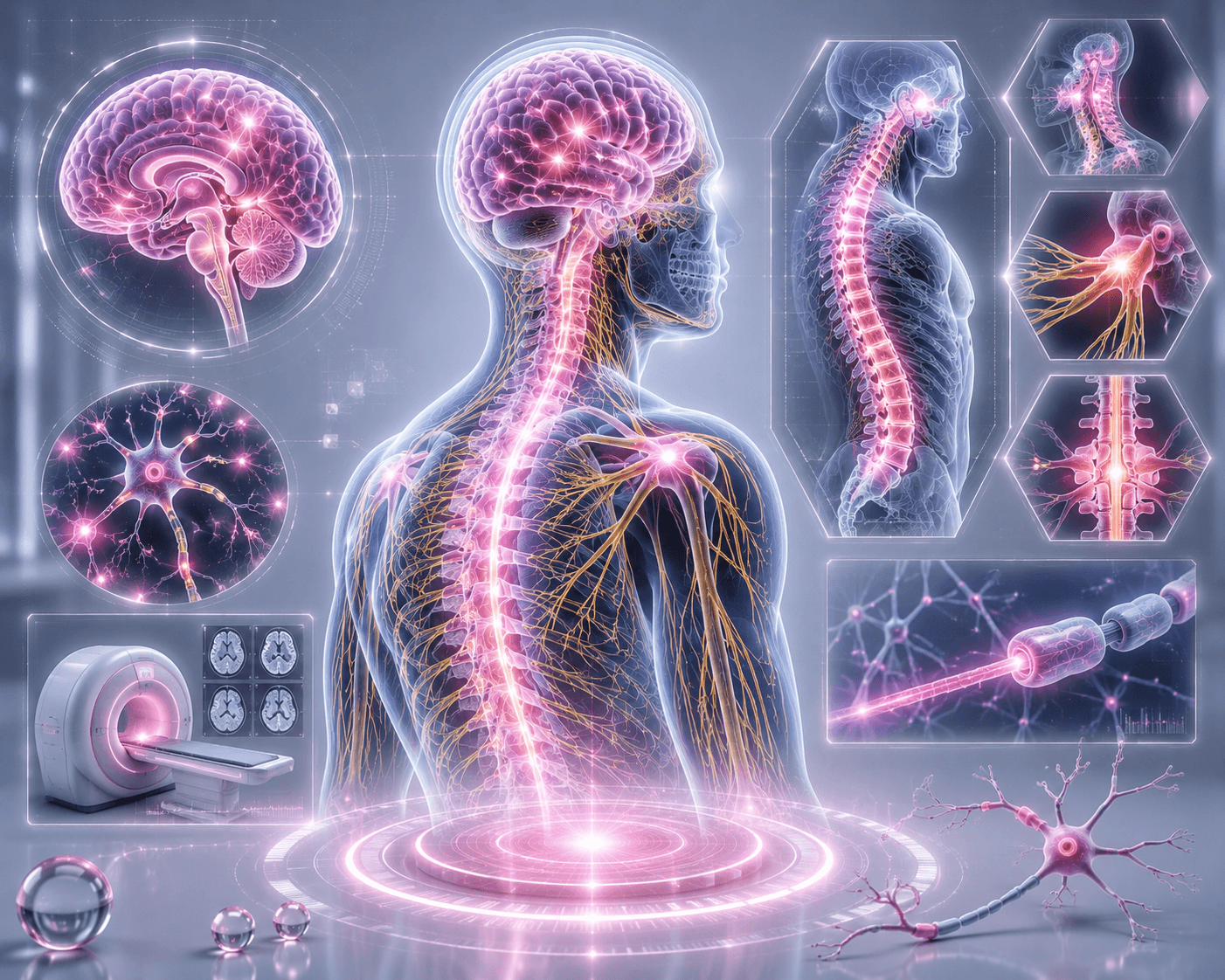
Why Early Neurological Evaluation is Important

Persistent headaches, weakness, numbness, seizures, dizziness, memory problems, difficulty speaking, balance disorders or sudden neurological symptoms should never be ignored. Early consultation with an experienced neurologist or neurosurgeon enables timely diagnosis, prompt treatment and prevention of permanent neurological damage. Modern neuroscience focuses on preserving brain function, improving recovery and maximizing long-term independence through evidence-based medical and surgical care.

Department Highlights

Advanced infrastructure, specialized clinics & clinical excellence

Experienced Neurologists & Neurosurgeons

Advanced Stroke Unit

Brain & Spine Surgery

Neuro ICU

Minimally Invasive Neurosurgery

Comprehensive Epilepsy Care

Parkinson's Disease Management

Advanced Neuroimaging

Neuro Rehabilitation

24×7 Neuro Emergency Services

Patient Benefits

Key outcomes and reasons to choose PinkStar Hospital

Early diagnosis of neurological disorders

Personalized treatment plans

Advanced brain & spine surgery

Comprehensive stroke management

Improved neurological recovery

Multidisciplinary rehabilitation

Long-term follow-up care

Better quality of life

Neurological Conditions We Treat

Comprehensive diagnosis and treatment for brain, spine and nervous system disorders.

Stroke

Emergency

Stroke occurs when blood flow to the brain is interrupted or when a brain blood vessel ruptures. Immediate treatment is essential to reduce brain damage and improve long-term recovery.

Severity

Critical

Recovery

Depends on Severity

Treatment

Available

Common Symptoms

Sudden weaknessFacial droopingDifficulty speakingLoss of balanceVision changes

Brain Tumor

Brain tumors may be benign or malignant and can affect movement, speech, memory and other neurological functions depending on their location.

Severity

High

Recovery

Depends on Tumor Type

Treatment

Available

Common Symptoms

Persistent headacheSeizuresVision problemsWeaknessMemory changes

Epilepsy

Epilepsy is a neurological disorder characterized by recurrent seizures caused by abnormal electrical activity in the brain. Proper diagnosis and medication help most patients achieve good seizure control.

Severity

Moderate

Recovery

Long-term Management

Treatment

Available

Common Symptoms

SeizuresLoss of consciousnessConfusionUncontrolled body movements

Traumatic Brain Injury (Head Injury)

Emergency

Head injuries may result from road traffic accidents, falls or sports injuries and can range from mild concussion to life-threatening brain trauma requiring emergency neurosurgical care.

Severity

Critical

Recovery

Depends on Severity

Treatment

Available

Common Symptoms

Loss of consciousnessPersistent headacheVomitingConfusionMemory loss

Migraine

Migraine is a neurological disorder that causes recurrent headaches often accompanied by nausea, sensitivity to light and sound, and visual disturbances.

Severity

Moderate

Recovery

Long-term Management

Treatment

Available

Common Symptoms

Severe headacheNauseaVomitingSensitivity to lightVisual aura

Parkinson's Disease

Parkinson's disease is a progressive neurological disorder affecting movement, balance and coordination due to the gradual loss of dopamine-producing brain cells.

Severity

Moderate

Recovery

Long-term Management

Treatment

Available

Common Symptoms

Resting tremorMuscle stiffnessSlow movementsBalance problemsDifficulty walking

Alzheimer's Disease

Alzheimer's disease is a progressive neurodegenerative disorder causing memory loss, cognitive decline and behavioral changes that gradually interfere with daily life.

Severity

High

Recovery

Long-term Management

Treatment

Available

Common Symptoms

Memory lossConfusionDifficulty speakingPoor judgmentBehavioral changes

Multiple Sclerosis

Multiple sclerosis is an autoimmune neurological disorder that damages the protective covering of nerve fibers, affecting communication between the brain and body.

Severity

High

Recovery

Long-term Management

Treatment

Available

Common Symptoms

Vision problemsMuscle weaknessNumbnessBalance difficultiesFatigue

Brain Hemorrhage

Emergency

Brain hemorrhage is a life-threatening neurological emergency caused by bleeding within or around the brain, requiring immediate specialist care.

Severity

Critical

Recovery

Depends on Severity

Treatment

Available

Common Symptoms

Sudden severe headacheLoss of consciousnessWeaknessSpeech difficultyVomiting

Hydrocephalus

Hydrocephalus is the abnormal accumulation of cerebrospinal fluid within the brain, increasing pressure and potentially damaging brain tissue if left untreated.

Severity

High

Recovery

Depends on Cause

Treatment

Available

Common Symptoms

Persistent headacheVomitingVision problemsBalance issuesMemory changes

Spinal Cord Injury

Emergency

Spinal cord injury is a serious neurological condition that may result in weakness, paralysis or loss of sensation below the level of injury. Early diagnosis and specialized treatment improve recovery outcomes.

Severity

Critical

Recovery

Depends on Severity

Treatment

Available

Common Symptoms

ParalysisLoss of sensationBack painDifficulty walkingLoss of bladder or bowel control

Cervical Spondylosis

Cervical spondylosis is age-related degeneration of the neck spine that may cause neck pain, stiffness and nerve compression.

Severity

Moderate

Recovery

Long-term Management

Treatment

Available

Common Symptoms

Neck painArm numbnessMuscle weaknessNeck stiffness

Lumbar Disc Herniation

Lumbar disc herniation occurs when a spinal disc presses on nearby nerves, causing lower back pain, leg pain and numbness.

Severity

Moderate

Recovery

6–12 Weeks

Treatment

Available

Common Symptoms

Lower back painLeg painNumbnessMuscle weakness

Sciatica

Sciatica is pain caused by irritation or compression of the sciatic nerve, typically radiating from the lower back to the leg.

Severity

Moderate

Recovery

4–12 Weeks

Treatment

Available

Common Symptoms

Leg painLower back painTinglingNumbnessWeakness

Peripheral Neuropathy

Peripheral neuropathy involves damage to peripheral nerves, causing numbness, burning pain, weakness and impaired sensation.

Severity

Moderate

Recovery

Depends on Cause

Treatment

Available

Common Symptoms

NumbnessBurning painTinglingMuscle weakness

Trigeminal Neuralgia

Trigeminal neuralgia causes sudden, severe facial pain due to irritation or compression of the trigeminal nerve.

Severity

High

Recovery

Long-term Management

Treatment

Available

Common Symptoms

Severe facial painElectric shock-like painPain while chewingFacial sensitivity

Brain Aneurysm

Emergency

A brain aneurysm is a weakened area in a brain artery that may rupture, causing life-threatening bleeding requiring emergency neurosurgical care.

Severity

Critical

Recovery

Depends on Severity

Treatment

Available

Common Symptoms

Sudden severe headacheVision problemsNeck stiffnessLoss of consciousness

Meningitis

Emergency

Meningitis is inflammation of the protective membranes surrounding the brain and spinal cord, often caused by bacterial or viral infections.

Severity

Critical

Recovery

Depends on Cause

Treatment

Available

Common Symptoms

High feverSevere headacheNeck stiffnessConfusionSensitivity to light

Encephalitis

Emergency

Encephalitis is inflammation of the brain tissue, usually caused by viral infections, requiring prompt neurological evaluation and treatment.

Severity

Critical

Recovery

Depends on Severity

Treatment

Available

Common Symptoms

FeverConfusionSeizuresHeadacheAltered consciousness

Essential Tremor

Essential tremor is a neurological movement disorder that causes involuntary shaking, most commonly affecting the hands during voluntary movements.

Severity

Moderate

Recovery

Long-term Management

Treatment

Available

Common Symptoms

Hand tremorsHead tremorVoice tremorDifficulty writing

Advanced Neurological Diagnosis & Evaluation

Comprehensive Diagnostic Services for Brain, Spine and Nervous System Disorders

Diagnosis Process

1

Comprehensive Neurology Consultation

Our neurologists and neurosurgeons evaluate symptoms, medical history, medications, family history and neurological complaints before recommending specialized investigations.

2

Detailed Neurological Examination

A comprehensive neurological assessment evaluates muscle strength, reflexes, coordination, balance, sensation, speech, memory and cranial nerve function.

3

MRI Brain & Spine

High-resolution MRI provides detailed visualization of the brain, spinal cord and nerves for diagnosing tumors, stroke, multiple sclerosis, spinal disorders and other neurological conditions.

4

CT Brain

CT imaging is essential for rapidly diagnosing stroke, brain hemorrhage, traumatic brain injury and other neurological emergencies.

5

Electroencephalogram (EEG)

EEG records electrical activity within the brain and is commonly used to diagnose epilepsy, seizure disorders and altered brain function.

6

EMG & Nerve Conduction Studies

Electromyography (EMG) and Nerve Conduction Studies evaluate nerve and muscle function to diagnose neuropathy, nerve compression and neuromuscular disorders.

7

Lumbar Puncture (CSF Analysis)

Lumbar puncture helps diagnose meningitis, encephalitis, multiple sclerosis and other neurological infections or inflammatory disorders.

8

Cerebral Angiography

Advanced vascular imaging evaluates brain aneurysms, arteriovenous malformations (AVMs), stroke and other cerebrovascular disorders.

9

Stroke Evaluation

Patients with suspected stroke undergo emergency neurological assessment, brain imaging and vascular evaluation to enable rapid treatment.

10

Pre-operative Neurosurgical Planning

Patients requiring neurosurgery undergo comprehensive imaging, neurological assessment and multidisciplinary planning to ensure safe and effective treatment.

Advanced Neurological Investigations

Modern neurological investigations help diagnose brain, spine and nerve disorders with greater precision while guiding treatment decisions.

MRI Brain
MRI Spine
CT Brain
CT Spine
CT Angiography
MR Angiography
Digital Subtraction Angiography (DSA)
EEG
EMG
Nerve Conduction Studies

Laboratory & Diagnostic Support

Laboratory investigations support neurological diagnosis, surgical planning and emergency care.

Complete Blood Count (CBC)
Blood Sugar Evaluation
Electrolyte Analysis
Coagulation Profile
Autoimmune Panel
CSF Analysis
Infection Screening

Who Should Consult a Neurologist?

Persistent neurological symptoms should never be ignored. Early neurological consultation improves diagnosis, treatment success and long-term outcomes.

Persistent headachesSudden weaknessSeizuresMemory lossDifficulty speakingLoss of balanceNumbness or tinglingChronic neck or back painWalking difficultyMovement disordersFacial painVision changes

Neurological Emergencies

The following neurological conditions require immediate emergency evaluation and treatment.

Stroke
Brain Hemorrhage
Head Injury
Status Epilepticus
Brain Aneurysm Rupture
Loss of Consciousness
Acute Spinal Cord Injury
Sudden Paralysis

Advanced Neurology & Neurosurgery Treatments

Comprehensive Medical, Surgical and Neuro-Rehabilitation Services for Brain, Spine and Nervous System Disorders

Stroke Management

Comprehensive stroke care including rapid neurological evaluation, emergency treatment, intensive monitoring and structured rehabilitation to improve recovery.

Brain Tumor Surgery

Advanced microsurgical removal of benign and malignant brain tumors with individualized treatment planning and multidisciplinary neuro-oncology care.

Epilepsy Management

Long-term seizure management using anti-epileptic medication, lifestyle counselling, EEG monitoring and epilepsy surgery evaluation for selected patients.

Parkinson's Disease Management

Personalized treatment plans including medication optimization, physiotherapy, rehabilitation and advanced therapies for movement disorders.

Migraine & Headache Clinic

Comprehensive diagnosis and preventive management of migraine and chronic headaches through medication, trigger control and lifestyle modification.

Brain Hemorrhage Management

Emergency neurological stabilization, Neuro ICU care, blood pressure management and neurosurgical intervention whenever indicated.

Brain Aneurysm Treatment

Comprehensive treatment of cerebral aneurysms using surgical clipping or endovascular procedures based on patient-specific evaluation.

Hydrocephalus Surgery

Advanced treatment using Ventriculoperitoneal (VP) shunt surgery and Endoscopic Third Ventriculostomy (ETV) for selected patients.

Spine Surgery

Comprehensive surgical management of cervical spondylosis, slipped disc, spinal cord compression and other complex spinal disorders.

Peripheral Nerve Surgery

Microsurgical treatment for peripheral nerve injuries, nerve compression syndromes and selected neuromuscular disorders.

Neurocritical Care (Neuro ICU)

Dedicated Neuro ICU services for stroke, traumatic brain injury, brain hemorrhage, severe neurological infections and post-operative neurosurgical care.

Neuro Rehabilitation

Comprehensive rehabilitation including physiotherapy, occupational therapy, speech therapy and cognitive rehabilitation to maximize neurological recovery.

Advanced Neurosurgical Procedures

Modern neurosurgical techniques allow precise treatment while minimizing complications and promoting faster recovery.

Microsurgical Brain Tumor Removal
Minimally Invasive Brain Surgery
Spine Decompression Surgery
Spinal Stabilization Procedures
VP Shunt Surgery
Endoscopic Third Ventriculostomy (ETV)
Brain Aneurysm Clipping
Peripheral Nerve Surgery

Movement Disorder Services

Comprehensive evaluation and treatment for movement disorders using medication, rehabilitation and advanced neurological therapies.

Parkinson's Disease Management
Essential Tremor Treatment
Botulinum Toxin Therapy (Selected Cases)
Deep Brain Stimulation Evaluation (Selected Cases)
Long-Term Neurology Follow-up

Neurological Rehabilitation

Structured rehabilitation programs help patients regain mobility, independence and neurological function after illness or surgery.

Stroke Rehabilitation
Spinal Rehabilitation
Balance Training
Speech Therapy
Occupational Therapy
Cognitive Rehabilitation
Gait Training

Preventive Neurological Care

Early diagnosis and healthy lifestyle choices help reduce the risk of many neurological disorders while improving long-term brain health.

Stroke Risk Assessment
Blood Pressure Control
Diabetes Management
Cholesterol Management
Smoking Cessation Counselling
Migraine Trigger Management
Regular Neurological Check-ups

Recovery & Long-Term Follow-Up

Patients receive personalized long-term neurological follow-up including medication review, rehabilitation, repeat imaging when required and ongoing monitoring to optimize recovery, prevent complications and maintain neurological function.

Frequently Asked Questions

Answers to common questions about neurological disorders, brain surgery and spine care.

You should consult a neurologist if you experience persistent headaches, seizures, dizziness, memory loss, numbness, weakness, difficulty walking, tremors or any sudden neurological symptoms.

Sudden facial drooping, weakness of one arm or leg, difficulty speaking, vision changes, severe headache and loss of balance are warning signs of stroke that require immediate emergency medical attention.

Yes. Most patients with epilepsy achieve good seizure control through appropriate anti-epileptic medication, regular follow-up and lifestyle modifications. Some patients may benefit from epilepsy surgery evaluation.

Brain surgery may be recommended for brain tumors, brain aneurysms, traumatic brain injuries, hydrocephalus, certain epilepsy cases and other neurological conditions when conservative treatment is insufficient.

Parkinson's disease cannot currently be cured, but medication, rehabilitation, lifestyle changes and advanced therapies can effectively manage symptoms and improve quality of life.

MRI Brain, MRI Spine, CT Scan, CT Angiography, EEG, EMG and Nerve Conduction Studies are commonly used to diagnose neurological disorders accurately.

Still Have Questions?

Our medical specialists are available to answer your queries and help you choose the right care plan for your health.

Our Neuroscience Department works closely with multiple specialties to provide comprehensive patient care.

Medical Disclaimer

The information provided on this page is intended for educational purposes only and should not replace professional medical advice, diagnosis or treatment. Patients experiencing neurological symptoms such as weakness, seizures, sudden headache, loss of consciousness or stroke symptoms should seek immediate medical attention and consult a qualified neurologist or neurosurgeon.

24/7 Priority Medical Care

Need Expert Medical Consultation?

Book a direct appointment with our leading specialists in Neuroscience for personalized diagnosis and advanced care.

Instant Confirmation
Top-Rated Doctors
24/7 Emergency Line